
Who Are the Haudenosaunee? A Story of Land, Family, Community, and Continuity

By Evita Teiohonwake Stacey
To understand the Haudenosaunee, we must begin long before Europeans arrived in North America and long before the borders of New York, Canada, or the United States existed.
We begin with the land.
For thousands of years, Indigenous peoples lived throughout the forests, rivers, wetlands, and valleys of northeastern North America. Their communities changed and adapted over generations, developing increasingly complex relationships with the natural world, with one another, and with the places they called home.
The Haudenosaunee—often called the Iroquois Confederacy in older historical writings—emerged from this much deeper Indigenous history. Their story is not simply a story of the past. Haudenosaunee nations and communities remain living peoples today, carrying languages, families, ceremonies, teachings, and responsibilities forward.
Before the Haudenosaunee Confederacy:
The Paleoindian Period
The earliest widely recognized archaeological period in the Northeast is known as the Paleoindian period, beginning more than 10,000 years ago.
The landscape was very different then. The last Ice Age was ending. Glaciers that had covered enormous areas of the Northeast were retreating, climates were changing, and plants and animals were gradually transforming the environment.
People learned how to live within these changing conditions.

They traveled across the landscape, hunted animals, gathered available plants, made sophisticated stone tools, and passed essential knowledge from one generation to another.
Imagine what this required.
A family needed to understand where water could be found, which landscapes provided food, where animals traveled, how weather changed with the seasons, and which materials could be transformed into tools.
Knowledge was survival.
But survival was rarely an individual accomplishment. People depended upon relationships—with relatives, with the larger community, and with the natural world.
These ancient communities should not simply be labeled “Haudenosaunee,” because the Haudenosaunee nations as historically known developed much later. Yet this ancient Indigenous presence reminds us that Haudenosaunee history belongs within a much longer story of Native life in northeastern North America.
The Archaic Period: Living More Deeply with Place
Beginning roughly 10,000 years ago and continuing for thousands of years, archaeologists describe another broad era as the Archaic period.
Forests expanded. Rivers and wetlands developed into environments more familiar to us today. Indigenous communities adapted their lifeways accordingly.
People hunted deer and smaller animals, fished rivers and lakes, gathered nuts, berries, roots, and other plants, and developed increasingly diverse technologies.

The land was not merely scenery surrounding human life.
It provided food, shelter, medicine, transportation, materials, and knowledge.
Generation after generation learned when particular plants appeared, where fish traveled, when animals migrated, and how the seasons influenced daily life.
These relationships would become part of the much broader cultural world from which later Indigenous societies of the Northeast developed.
Earth, Water, Fire, and Wind
When we try to understand Indigenous relationships with the natural world, it is important not to force every Native tradition into one universal “Four Elements” belief system. Haudenosaunee teachings are distinct and should be understood within Haudenosaunee cultural traditions.

Still, earth, water, fire, and air or wind provide a useful way to reflect upon relationships that have always been essential to human life.
Earth gives physical foundation. It supports forests, medicines, animals, gardens, homes, and communities. In Haudenosaunee tradition, the relationship between human beings and the living world carries responsibilities. The earth is not simply something to possess. Human beings live within a larger network of relationships.
Water sustains life. Rivers and lakes provided drinking water, fish, transportation, gathering places, and connections between communities. Water reminds us that life depends upon systems much greater than ourselves.
Fire provides warmth, light, protection, and a place around which people gather. A fire can become the center of a home—a place where food is prepared, stories are shared, children listen, and knowledge moves from one generation to another.
Wind and air surround every living being. Breath itself connects us to life. Wind carries changing weather and signals transformations in the seasons.
Together, the natural world teaches an important principle: human beings do not live separately from creation.
We participate in it.
The People of the Longhouse
The word Haudenosaunee is commonly translated as “People of the Longhouse.”
The longhouse was more than a building.
It represented family, relationship, responsibility, and eventually became a powerful metaphor for the political relationship among the nations of the Haudenosaunee Confederacy.

The original Five Nations were the Mohawk, Oneida, Onondaga, Cayuga, and Seneca. The Tuscarora later joined the Confederacy, creating what became widely known as the Six Nations.
The image of the longhouse helped express their relationship to one another. Different nations could maintain their own identities while participating in a larger political and cultural alliance.
At the center of this system was the Great Law of Peace, which established principles for governance, diplomacy, responsibility, and decision-making.

Instead of imagining Haudenosaunee history primarily through warfare, it is equally important to recognize a profound political achievement: people developed a system intended to transform conflict into a lasting relationship based upon peace and collective responsibility.
The Sacredness of Family
Family stands at the heart of Haudenosaunee society.

Traditionally, Haudenosaunee societies are matrilineal, meaning clan identity and family relationships are traced through the mother's line.
Women therefore hold important responsibilities within family, clan, and community life. Clan Mothers have historically held significant roles, including responsibilities connected with leadership.
Children belong within an extended network of relatives rather than existing only within a small nuclear household.
Grandparents, aunts, uncles, cousins, clan relatives, and community members all contribute to the transmission of knowledge.
This creates a powerful understanding of identity:
You belong to something larger than yourself.
Your actions affect your relatives.
Your choices affect your community.
And what you preserve—or fail to preserve—can affect generations not yet born.
Community as a Living Relationship
The Haudenosaunee worldview places great importance on relationships.
Community is not simply a collection of individuals living near one another. It involves obligations of reciprocity, cooperation, gratitude, and responsibility.
Historically, people planted crops, gathered food, hunted, prepared meals, cared for children, maintained homes, participated in councils, conducted ceremonies, and supported relatives through interconnected social networks.
Among the most important agricultural foods were corn, beans, and squash, commonly known together as the Three Sisters.

Their relationship provides a beautiful lesson.
Corn grows upward and provides structure. Beans climb the corn and contribute to the soil. Squash spreads across the earth, helping protect moisture and suppress weeds.
Each is different.
Yet together, they support one another.
That relationship offers a powerful metaphor for community: strength does not always come from standing alone. Sometimes strength comes from understanding how our gifts support the whole.
Gratitude and Responsibility
One of the most meaningful lessons found within Haudenosaunee traditions is the importance of gratitude.
The natural world is not simply a warehouse of resources.
Plants, animals, waters, trees, winds, foods, medicines, and human beings exist within relationships of interdependence.
Haudenosaunee communities continue traditions of giving thanks for the many parts of creation that sustain life. Gratitude is therefore more than an emotion.

It carries responsibility.
If water sustains us, how should we treat water?
If the earth feeds us, what responsibilities do we have toward the earth?
If our ancestors preserved knowledge for us, what knowledge are we preserving for our descendants?
These questions transform history into something much more personal.
A Living People, Not a People of the Past
Perhaps the most important thing to understand about the Haudenosaunee is that their story did not end with European colonization.
The Haudenosaunee are living nations and communities.
Colonization brought epidemics, warfare, displacement, land loss, missionary pressure, boarding and residential schools, and attempts to suppress Indigenous languages and traditions. Yet Haudenosaunee peoples survived.

Families continued.
Communities endured.
Languages continued to be spoken and revitalized.
Ceremonies and teachings were carried forward.
Today, Haudenosaunee people continue to protect their cultures, exercise sovereignty, teach younger generations, restore languages, preserve traditional knowledge, and participate fully in contemporary life.
Understanding the Haudenosaunee therefore requires more than studying dates and historical events.
It requires understanding relationship.
Relationship with the earth.
Relationship with water.
Relationship with the living world.
Relationship with family.
Relationship with community.
Relationship with ancestors.
And relationship with the generations who will come after us.
The ancient archaeological periods remind us that Indigenous life in northeastern North America reaches back thousands of years. Haudenosaunee history shows us how communities built enduring systems of family, governance, gratitude, diplomacy, and responsibility upon that much older Indigenous foundation.
And perhaps the most important question their story invites us to consider is not simply:
“Who were the Haudenosaunee?”
It is:
“Who are the Haudenosaunee—and what can we learn by listening to a living people whose responsibilities to land, family, community, and future generations continue today?”
Continue Your Journey
The wisdom of the past continues when it is remembered, shared, and carried forward.
Explore the Wisdom Library for stories, teachings, books, and educational resources celebrating Indigenous knowledge, family, community, and our responsibilities to future generations.
Visit Ongwehonwe Wisdom: www.ongwehonwewisdom.com
Honor the Wisdom. Remember the Ancestors. Carry It Forward.
About the Author
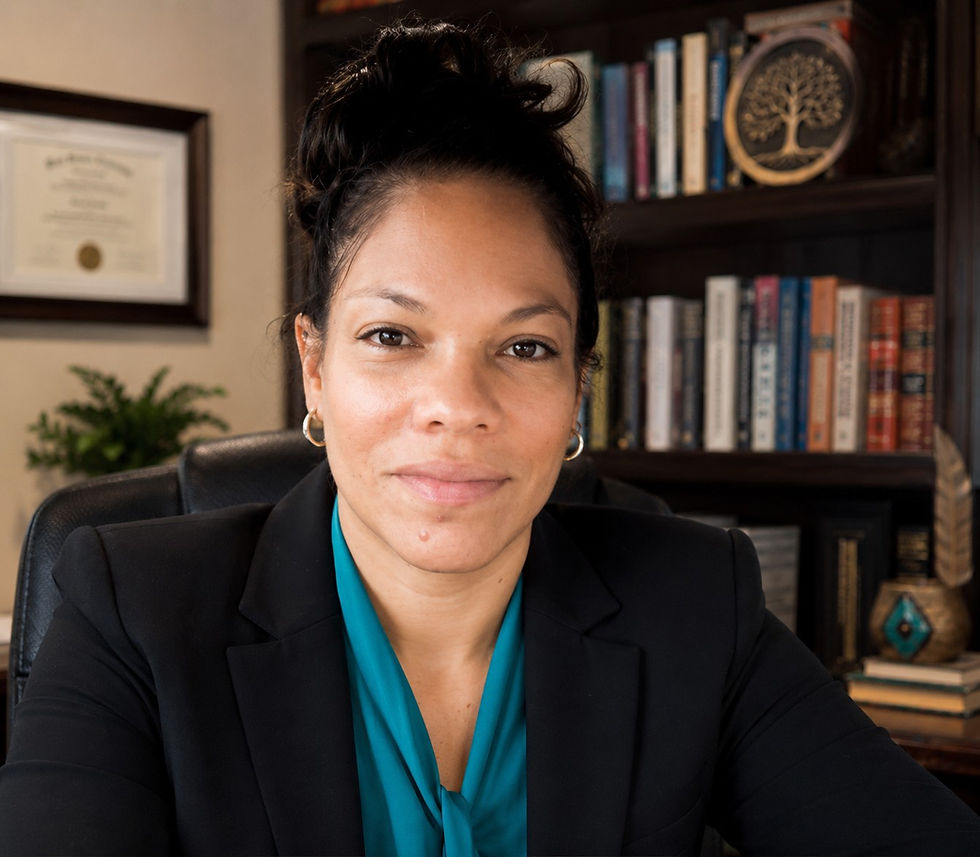
Evita Teiohonwake Stacey is the founder of Ongwehonwe Wisdom, an educational platform dedicated to preserving, sharing, and carrying Indigenous knowledge forward for future generations.
Through the Wisdom Library, books, reflections, and educational resources, Evita explores themes of Haudenosaunee wisdom, ancestral knowledge, family, community, gratitude, relationship with the natural world, and responsibility to future generations.
Her work is guided by a simple purpose: to create a place where readers can learn from the wisdom of those who came before us while considering how that knowledge can inform the way we live today.
Through Ongwehonwe Wisdom, Evita encourages readers to remember that wisdom is not only something we inherit—it is something we have a responsibility to preserve, practice, and pass forward.
Ongwehonwe Wisdomwww.ongwehonwewisdom.com
Honor the Wisdom. Remember the Ancestors. Carry It Forward.


Comments